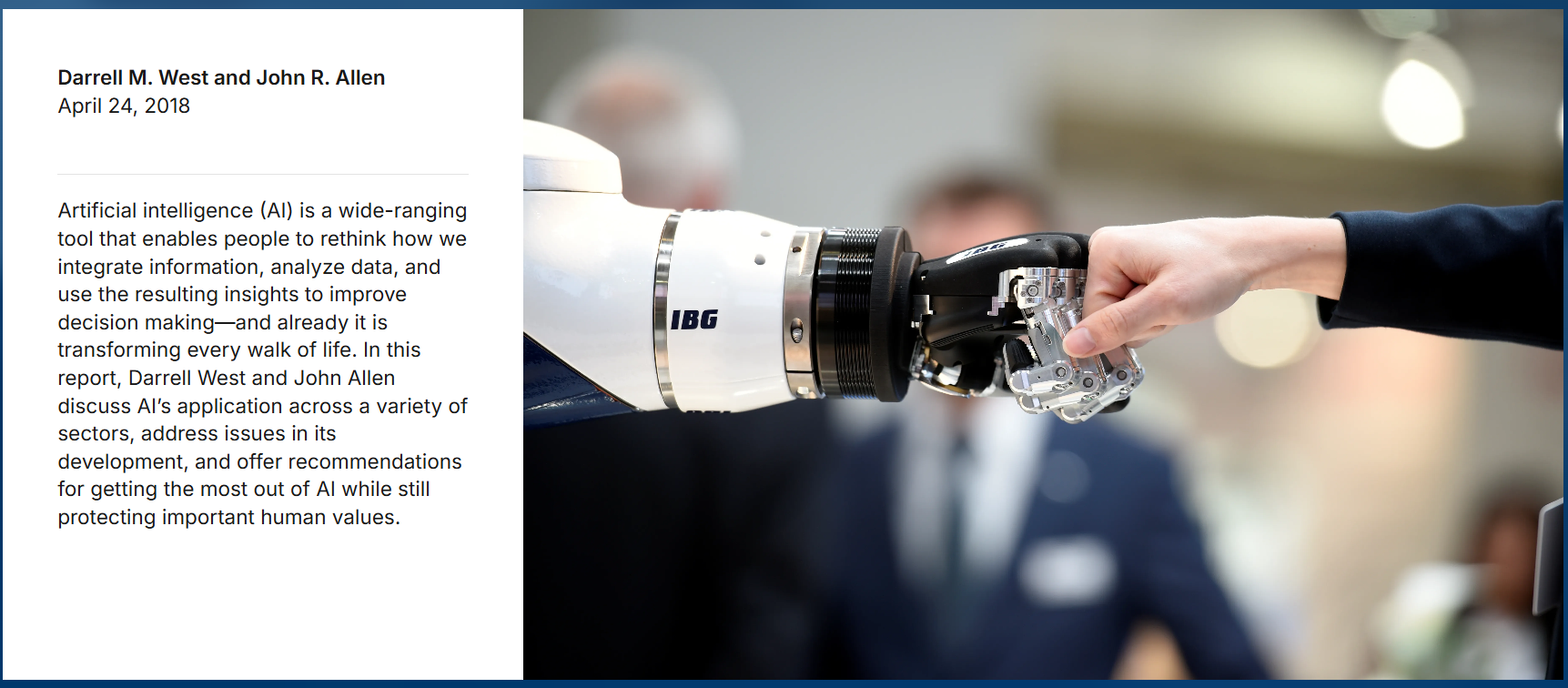
How Artificial Intelligence Is Transforming the World
Hansraj Swami
Data Scientist & ML Engineer
4 min read
Artificial Intelligence (AI) is no longer a futuristic concept—it has become one of the most influential technologies shaping our daily lives. From recommending movies on streaming platforms to assisting doctors in diagnosing diseases, AI is transforming industries, improving decision-making, and redefining how people work and interact with technology.
AIInnovationAI toolsAI Applications
 What is Artificial Intelligence?
Artificial Intelligence refers to computer systems that can perform tasks that typically require human intelligence. These tasks include learning from data, recognizing patterns, understanding language, solving problems, and making decisions. Unlike traditional software that follows fixed instructions, AI systems continuously improve their performance by learning from new information.
The rapid growth of machine learning, deep learning, cloud computing, and big data has accelerated AI adoption across businesses, governments, healthcare, education, and research.
AI Applications Across Industries
Healthcare:
AI is revolutionizing healthcare by helping doctors detect diseases earlier, analyze medical images, and recommend personalized treatments. Hospitals are using AI-powered systems to predict patient risks, optimize hospital operations, and improve overall patient care.
Finance:
Banks and financial institutions use AI to detect fraudulent transactions, automate customer support through chatbots, assess credit risk, and provide personalized investment recommendations. AI enables faster and more accurate financial decision-making while reducing operational costs.
Transportation:
Self-driving vehicles, intelligent traffic management systems, and predictive maintenance are becoming possible through AI. Advanced sensors, cameras, and machine learning algorithms help vehicles navigate safely while reducing traffic congestion and improving road safety.
Education:
AI-powered educational platforms provide personalized learning experiences based on individual student performance. Intelligent tutoring systems help students learn at their own pace while assisting teachers in identifying learning gaps.
Smart Cities:
Cities around the world are adopting AI to improve traffic management, energy consumption, waste management, public safety, and emergency response systems. These technologies make urban environments more efficient, sustainable, and citizen-friendly.
Cybersecurity:
Modern cybersecurity relies heavily on AI to identify suspicious behavior, detect cyber threats in real time, and automatically respond to security incidents before significant damage occurs.
Economic Impact of AI
Artificial Intelligence is expected to become one of the largest contributors to global economic growth over the next decade. Organizations adopting AI technologies are experiencing increased productivity, reduced operational costs, faster decision-making, and improved customer experiences.
Businesses that successfully integrate AI into their operations gain a competitive advantage by automating repetitive tasks and allowing employees to focus on higher-value work such as innovation and strategic planning.
Challenges of Artificial Intelligence
Despite its enormous potential, AI also presents several challenges that require careful consideration.
Data Privacy
AI systems depend on vast amounts of data. Organizations must ensure that personal information is collected, stored, and used responsibly while complying with privacy regulations.
Bias and Fairness
AI models learn from historical data. If the training data contains bias, AI systems may unintentionally produce unfair or discriminatory outcomes. Developers must continuously evaluate and improve AI models to promote fairness and inclusivity.
Job Transformation
Rather than completely replacing human workers, AI is changing the nature of many jobs. Routine tasks are increasingly automated, creating demand for new skills in AI development, data analysis, cloud computing, and digital technologies.
Transparency and Ethics
Many AI systems function as "black boxes," making it difficult to understand how they reach decisions. Building transparent, explainable, and ethical AI systems is essential for maintaining public trust.
Responsible AI Development
To maximize AI's benefits while minimizing risks, governments, businesses, researchers, and technology companies must work together to develop responsible AI frameworks. Important priorities include:
Protecting user privacy
Promoting transparency and explainability
Reducing algorithmic bias
Strengthening cybersecurity
Investing in AI education and workforce development
Maintaining human oversight in critical decisions
Responsible AI is not just about technological innovation—it is about ensuring that AI serves society in a fair, secure, and ethical manner.
The Future of Artificial Intelligence
Artificial Intelligence will continue transforming industries through innovations such as generative AI, autonomous systems, intelligent robotics, personalized healthcare, and scientific discovery. As AI capabilities evolve, organizations that embrace responsible adoption will be better positioned for future growth.
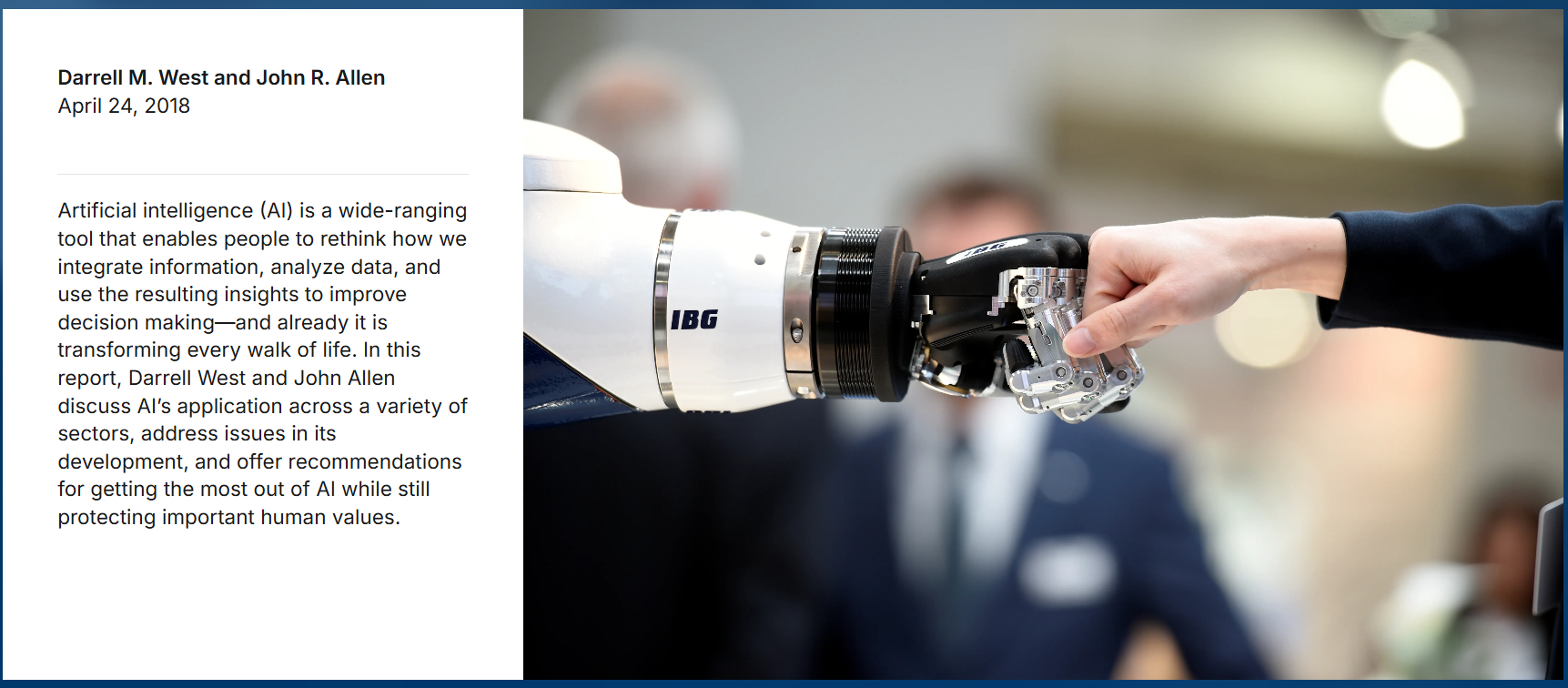
The future will not be defined by AI replacing humans but by humans and AI working together to solve complex problems, improve productivity, and create new opportunities. Success will depend on balancing technological innovation with ethics, governance, and human values.
Conclusion
Artificial Intelligence is reshaping the world at an unprecedented pace. From healthcare and finance to transportation and education, AI is improving efficiency, enabling smarter decisions, and opening new possibilities for innovation. However, its success depends on responsible development, transparent governance, and continuous investment in education and ethical practices.
As AI becomes increasingly integrated into everyday life, individuals, businesses, and governments must work together to ensure that this powerful technology benefits everyone while protecting privacy, fairness, and human rights.
References:
Darrell M. West & John R. Allen. How Artificial Intelligence Is Transforming the World. Brookings Institution, April 24, 2018. Available at: https://www.brookings.edu/articles/how-artificial-intelligence-is-transforming-the-world/
Back to All Posts
Thanks for reading! Feel free to reach out on LinkedIn